
Belle suspension contemporaine : guide des modèles phares

Suspension contemporaine élégante dans un salon moderne, apportant une ambiance chaleureuse et stylée.

Vous cherchez à transformer l’ambiance de votre intérieur avec une touche moderne et élégante ? La belle suspension contemporaine s’impose comme l’une des solutions les plus efficaces pour donner du caractère à un espace, tout en assurant un éclairage optimal. Que ce soit dans le salon, la cuisine ou l’entrée, la suspension occupe une place de choix parmi les luminaires actuels. Voyons ensemble comment sélectionner le modèle parfait et quelles tendances dominent aujourd’hui.

Les suspensions contemporaines : formes, matériaux et tendances

Dans l’univers des luminaires, la suspension contemporaine se démarque par ses lignes épurées, ses matériaux innovants et son adaptabilité à divers styles d’intérieur. Une belle suspension contemporaine combine souvent métal, verre, parfois bois clair ou éléments textiles, pour créer des effets de lumière variés. Par exemple, une suspension en laiton brossé avec ampoules LED exposées apportera une touche industrielle à un loft, tandis qu’un modèle en verre soufflé s’accordera parfaitement avec une déco scandinave.

Les formes géométriques sont particulièrement en vogue : sphères, disques ou compositions asymétriques soulignent la modernité sans surcharger l’espace. Certaines suspensions modulaires permettent même d’ajuster la hauteur ou l’orientation des sources lumineuses pour s’adapter à la configuration de la pièce.

Plafonniers modernes et industriels : où les installer ?

Le choix d’un plafonnier moderne dépend non seulement du design, mais aussi de la fonction de la pièce. Dans le salon, les grands modèles à multiples bras créent un point focal élégant et diffusent une lumière chaleureuse. À l’inverse, une cuisine bénéficie souvent d’un plafonnier industriel doté d’ampoules apparentes, idéal au-dessus d’un îlot central pour un éclairage précis.

  • Salon : privilégiez une suspension imposante avec un variateur d’intensité.
  • Cuisine : optez pour un plafonnier métallique ou en verre, facile à entretenir.
  • Entrée : une suspension compacte mais design, pour marquer l’accueil sans encombrer.

Les plafonniers modernes trouvent aussi leur place dans la chambre, surtout en version minimaliste et discrète, assurant ainsi une atmosphère apaisante.

Compléter la décoration : appliques murales et lampes de table

L’harmonie lumineuse d’une pièce ne repose pas uniquement sur le choix de la suspension. Les appliques murales modernes ou design prolongent le style choisi et évitent les zones d’ombre. Pour le coin lecture, une lampe de table, qu’elle soit au look industriel ou rustique, ajoute un éclairage d’appoint personnalisé. Dans la salle de bain ou la cuisine, les appliques murales assurent une lumière ciblée et fonctionnelle.

Pour sublimer l’ensemble, il peut être judicieux de mixer différents types d’éclairages : suspensions, appliques, lampadaires et lampes de table. Cela crée une ambiance dynamique et modulable selon les moments de la journée.

Des créations originales et de qualité à découvrir

Les amateurs de design recherchent souvent des pièces singulières, où l’esthétique rencontre l’innovation technique. De nombreux fabricants proposent des modèles uniques, mais les luminaires signés Luminaire Maison s’illustrent par leur créativité et la qualité des finitions. Que votre préférence aille vers une suspension ultra-moderne aux lignes minimalistes ou un plafonnier industriel revisité, il existe des solutions adaptées à toutes les envies et à chaque espace.

Comment affiner votre choix de suspension contemporaine ?

Avant de finaliser votre sélection, prenez en compte la hauteur sous plafond, la superficie de la pièce et l’ambiance recherchée. Pour les petits espaces, préférez une suspension légère et peu encombrante. Dans un grand salon, osez un modèle sculptural. N’hésitez pas à consulter un guide dédié à l’éclairage intérieur pour approfondir vos options et découvrir les dernières tendances en matière de luminaires contemporains.

Capabilities of Military Heavy Lift Drone Systems

Een militaire zware-lift drone in actie, transporterend materieel op het slagveld.

Military operations have increasingly integrated advanced technology to enhance efficiency, speed, and safety on the battlefield. Among these innovations, the military heavy lift drone stands out as a pivotal asset in modern warfare and logistics. These unmanned aerial vehicles (UAVs) are designed to transport substantial payloads, ranging from ammunition and supplies to specialized equipment, directly to troops in challenging environments where traditional vehicles may falter. Their ability to maneuver swiftly over difficult terrain while minimizing human risk marks a significant advancement in military logistics and operational flexibility.

Key Features of Military Heavy Lift Drone Systems

Heavy lift drones used by the military exhibit several critical features that distinguish them from conventional drones or commercial models. These capabilities ensure that they meet the demanding requirements of battlefield support and tactical operations:

  • High Payload Capacity: Unlike standard reconnaissance or surveillance drones, military heavy lift drones can carry payloads weighing hundreds of kilograms, enabling the transport of essential equipment and supplies.
  • Extended Flight Endurance: These drones feature powerful propulsion systems and efficient energy management, allowing for longer mission durations and greater operational ranges.
  • Robust Design: Built to withstand harsh environmental conditions, including extreme weather and rough handling during takeoff and landing in austere locations.
  • Autonomous Navigation and Precision Delivery: Equipped with advanced GPS and sensor arrays, these drones can perform autonomous missions with high accuracy, delivering payloads to precise coordinates.
  • Rapid Deployment: Their modular design allows for quick setup and deployment, critical during fast-paced military operations.

Applications Beyond Logistics

While the primary role of military heavy lift drone systems lies in transport and logistics, their versatility extends into other crucial military domains:

  • Surveillance and Reconnaissance: Some heavy lift drones are equipped with advanced imaging and sensor packages, enabling them to conduct surveillance drone missions while carrying additional payloads.
  • Medical Evacuation and Support: In combat zones, they can be used to evacuate wounded soldiers or deliver medical supplies rapidly where ground vehicles cannot reach.
  • Communication Relay: Serving as airborne communication nodes, these drones can extend the range of military communication networks in remote or contested areas.

Integration with Advanced UAV Technologies

The evolution of military heavy lift drone systems is closely tied to advancements in UAV technology. For example, the professional UAV line from Acecore Technologies exemplifies how cutting-edge drone designs are pushing the boundaries of payload capacity, flight endurance, and operational flexibility. By incorporating industry-leading materials, autonomous flight control systems, and modular payload options, platforms like these support a wide range of military needs from logistics to surveillance without compromising performance or reliability.

Comparing Military Heavy Lift Drones to Other Drone Categories

Understanding the distinctions between military heavy lift drones and other types of drones is essential for appreciating their specialized role:

  • UAV vs Drone: While the terms UAV (Unmanned Aerial Vehicle) and drone are often used interchangeably, UAVs typically refer to more sophisticated systems with autonomous capabilities, which many military heavy lift drones possess.
  • Commercial Drones: These are usually designed for lighter payloads and shorter flight times, focusing on applications like aerial photography, agriculture, or delivery services, making them unsuitable for heavy military logistics.
  • Drone Inspection and Utility Inspection: These drones specialize in monitoring infrastructure such as power lines or pipelines and are optimized for stability and precision rather than payload capacity.
  • Drone Security: Security drones focus on surveillance and perimeter monitoring but generally do not have the heavy lift capabilities required for military supply missions.

Future Trends in Military Heavy Lift Drone Development

As technology advances, military heavy lift drone systems are expected to become even more capable and versatile. Key trends to watch include:

  1. Hybrid Propulsion Systems: Combining electric and fuel-based engines to maximize endurance and payload efficiency.
  2. Enhanced Autonomous Capabilities: Incorporating AI-driven navigation and obstacle avoidance to operate seamlessly in contested or GPS-denied environments.
  3. Swarm Technology: Coordinated drone swarms capable of distributing heavy payloads across multiple platforms for redundancy and increased mission success rates.
  4. Improved Stealth Features: Reducing radar and infrared signatures to enhance survivability in hostile airspace.

Advancing Operational Effectiveness Through Heavy Lift UAVs

Military heavy lift drone systems are transforming how armed forces approach logistics, reconnaissance, and battlefield support. By combining substantial payload capacity with autonomous flight and precision delivery, these UAVs enhance operational flexibility and reduce risks to personnel. The integration of innovative platforms, such as the professional UAV line from Acecore Technologies, underscores the commitment to leveraging state-of-the-art technology in modern military operations. As these systems continue to evolve, their role in ensuring rapid, reliable, and secure mission support will only grow more indispensable.

Culinary explorations at The Chopping Board

restaurant-1284351_640 (2)

The world of gastronomy offers an endless variety of flavors, textures and aromas. Each restaurant has its unique approach and style, creating an engaging experience for guests. The Chopping Board is a place where the passion for cooking and the use of fresh ingredients come together. With a menu that ranges from classic dishes to innovative culinary creations, this restaurant knows how to surprise guests time and time again. The dishes are carefully composed, paying attention to both presentation and taste. This makes a visit to The Chopping Board not just a meal, but a true culinary experience.

Delicious breakfast options

At The Chopping Board, the day starts well with an extensive breakfast menu that offers something for everyone. The focus is on fresh, seasonal ingredients that are not only delicious, but also nutritious. Think savory omelets, fluffy pancakes and freshly baked croissants. The omelets are filled with a variety of vegetables, cheeses and herbs, making them not only a great start to the day, but also a colorful addition to the plate. For the sweet tooth, the pancakes, often served with fresh fruit and a drizzle of maple syrup, are a real treat. The combination of flavors and textures ensures that every bite is a delight. This makes The Chopping Board the ideal place for a relaxing brunch with friends or family. A genuine love of good food is evident in every dish, making breakfast a highlight of the day.

Innovative lunch dishes

At lunch, The Chopping Board offers an array of creative dishes perfect for a quick bite or a more elaborate meal. The focus is on light, fresh dishes that are still full of flavor. Think salads with seasonal vegetables, homemade dressings and various protein options such as grilled chicken, salmon or quinoa. A variety of sandwiches and wraps are also available, filled with quality meat and vegetables, perfect for an energetic afternoon. One of the popular choices is the grilled vegetable sandwich, which is not only vegetarian but also rich in flavor. The combination of fresh ingredients and creative preparations makes lunch a real treat. At The Chopping Board, every meal is prepared with care, keeping guests coming back time and time again for more.

Dinner with class

Dinner at The Chopping Board is a feast for the senses. The dinner menu offers an array of dishes inspired by different culinary traditions. From classic Italian pastas to oriental curries, there is something for everyone. The quality of the ingredients is of utmost importance, and this is evident in every dish. One of the highlights of dinner is the grilled steak, perfectly prepared and served with an assortment of side dishes. The chefs are passionate about their craft and strive to create dishes that are both visually appealing and flavorful. The ambiance of the restaurant, with its cozy decor and ambient lighting, makes it the perfect place for a romantic dinner or a special occasion. The Chopping Board knows how to spoil its guests with a culinary experience they won’t soon forget.

Vegetarian and vegan choices

In a world where more and more people are consciously choosing a plant-based diet, The Chopping Board also offers an array of vegetarian and vegan options. These dishes are not only nutritious, but also creative and full of flavor. From a rich, creamy pumpkin soup to a colorful quinoa salad, the options are diverse and appealing. Of special note is the vegan burger, made from black beans and chickpeas, which will surprise even the most seasoned meat-eaters. The chefs use fresh herbs and spices to bring out the flavors, making each dish a sensation for the taste buds. This makes The Chopping Board a meeting place not only for lovers of good food, but also for those looking for healthy, sustainable options. The focus on plant-based dishes shows that good food can be accessible to everyone.

Sweets and desserts

No meal is complete without a delicious dessert, and The Chopping Board does not disappoint. The dessert menu is a veritable feast for the sweet tooth, with an array of options ranging from traditional cakes to modern creations. The house-made cheesecakes and chocolate fondants are particularly popular and are often praised for their rich flavors and perfection in texture. There are also healthier alternatives, such as fruity sorbets and vegan desserts, which do not compromise on taste. The use of seasonal ingredients means the dessert menu changes regularly, which keeps it interesting for guests to return each time and discover new flavors. The desserts are not only a tasty end to the meal, but also a feast for the eyes, perfect for sharing on social media.

Drinks and cocktails

At The Chopping Board, it’s not just about the food; the beverage menu is just as impressive. Guests can choose from a wide range of drinks, including fresh smoothies, craft coffee and a wide selection of wines and cocktails. The cocktails are particularly creative, often inspired by seasonal ingredients and local flavors. Think refreshing mojitos with fresh mint and lime or hearty whiskey drinks that pair perfectly with evening meals. The attention to detail and quality in the drinks seamlessly complements the dining experience, making each visit to The Chopping Board a complete package. The cozy bar environment invites you to enjoy a drink with friends or discover new flavors, making it the perfect place for a night out.

A culinary destination for everyone

The Chopping Board is more than just a restaurant; it is a culinary destination where flavors come together and guests feel at home. From the extensive breakfast to the creative lunch dishes to the sophisticated dinner, every meal is a tribute to the love of good food. The attention to detail in each dish, along with the variety of options, ensures that everyone can find something to their liking. With a dessert menu that satisfies the sweet tooth in everyone and a drink menu that leaves no wishes unfulfilled, it is clear that The Chopping Board exceeds its guests’ expectations every time. A visit to this restaurant is not just a dining experience, but a chance to enjoy the art of gastronomy.

The most in-demand skills in the Fairbanks job market

job-1257204_640

The job market is constantly evolving, and so is Fairbanks, a city known for its unique blend of culture, nature and economic growth. The demand for specific skills evolves with technological advances, the changing needs of businesses and the economic dynamics of the region. At a time when Fairbanks companies are looking for talent who can help them adapt to new challenges and opportunities, it’s important to understand which skills are most in demand. These skills can range from technical expertise to interpersonal qualities, and they are essential for anyone who wants to be successful in this competitive market.

Technical skills

In Fairbanks’ current job market, technical skills are particularly valuable, especially given the rise of technologies across industries. Skills such as IT management, software development and data analysis are highly sought after. Employers look for candidates who are comfortable with programming languages, cloud computing and cybersecurity. This is because many companies want to strengthen their digital infrastructure to remain competitive. In addition, there is an increasing demand for technical specialists in the energy sector, which is an important part of the economy in Fairbanks. For those interested in these sectors, there are several jobs in Fairbanks that focus on technological expertise. These skills are not only important for IT-related roles, but are also increasingly in demand in other industries such as healthcare and manufacturing.

Interpersonal skills

In addition to technical skills, employers in Fairbanks place a high value on interpersonal skills. These are qualities that enable a person to communicate and collaborate effectively with others. Skills such as teamwork, leadership and communication are crucial in almost every sector. Companies look for employees who not only get along well with colleagues, but are also able to maintain and strengthen customer relationships. In a city like Fairbanks, where a sense of community is strong, these skills are especially important. Many job postings in Fairbanks emphasize the need for strong interpersonal skills as companies increasingly recognize the importance of a harmonious and productive team. These skills are particularly useful in the service industry, but are also valued in technical and administrative roles.

Problem solving skills

Problem solving is another skill that is heavily in the spotlight in the Fairbanks job market. Companies need employees who are able to find creative and innovative solutions to complex problems. This is especially important in a dynamic environment where changes can happen quickly. Whether it concerns technical issues or operational challenges, the ability to respond quickly and effectively is essential. Jobs that require this are often found in industries such as construction, technology and healthcare, where a proactive and flexible approach is needed. Those who have strong problem-solving skills can find employment in a wide range of jobs. These skills enable employees to not only perform their tasks efficiently, but also improve processes and drive innovation within the company.

Adaptability

In a time when change seems like the only constant, adaptability is one of the most in-demand skills in the Fairbanks job market. Employers value employees who can quickly adapt to new circumstances, whether technological changes, new business strategies or changes in the work environment. This skill is particularly important in sectors such as tourism, healthcare and education, where flexibility and the ability to pivot quickly are crucial. Employees who can quickly learn and adapt to new tools, processes or roles are invaluable to their employers. Many jobs in Fairbanks explicitly require candidates with high adaptability, as companies increasingly face unexpected challenges and opportunities. This skill enables employees to not only survive, but thrive in a changing world.

Customer focus

Customer focus is a skill that should not be underestimated, especially in a city like Fairbanks where the service industry is thriving. Companies look for employees who understand that customer satisfaction is at the heart of business success. Skills such as active listening, empathy and the ability to anticipate customer needs are highly valued. These skills are essential in sectors such as tourism, hospitality and retail, where building strong customer relationships directly contributes to the growth and reputation of the business. Many Fairbanks jobs available in these sectors emphasize the importance of a customer-centric attitude. This means that employees must not only be good at fulfilling customer requests, but also proactive in improving the customer experience. In a highly competitive market, these skills can make the difference between a satisfied customer and a lost opportunity.

Conclusion

The job market in Fairbanks is diverse and offers opportunities for anyone with the right combination of skills. Technical expertise, interpersonal skills, problem-solving skills, adaptability and customer focus are all qualities that employers value and look for in their employees. For anyone looking for a job in Fairbanks, developing and sharpening these skills is an important step to success. With the growing demand for talent across industries, it is an exciting time to be part of Fairbanks’ thriving economy. Whether you’re just starting out or looking for a new direction, the right skills can take your career to new heights in this beautiful city.

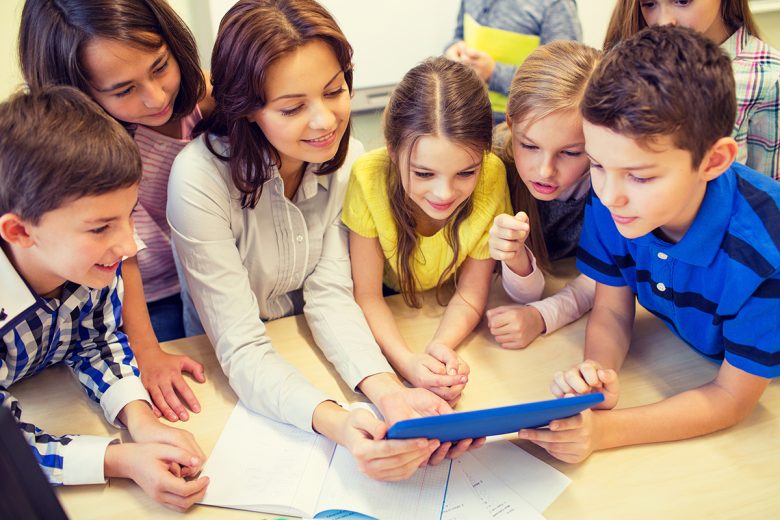
Educación emocional, una práctica multifacética para las escuelas

La educación socioemocional es un concepto educativo que combina el conocimiento académico sobre el aprendizaje humano con el conocimiento sobre los procesos emocionales. SEL también se conoce como “aprendizaje social y emocional”, “aprendizaje interpersonal” o “alfabetización social y emocional”. Según algunos expertos, el SEL puede tener efectos positivos en los niños que tienen muy baja autoestima y que normalmente se sienten alienados en las escuelas. De hecho, la baja autoestima y la poca confianza en sí mismos se encuentran comúnmente entre aquellos niños que no reciben ninguna educación emocional durante la infancia.

El aprendizaje coercitivo se refiere a un ambiente de clase positivo en el que los estudiantes interactúan para alcanzar las metas de aprendizaje. Dicha interacción fomenta la educación socioemocional es una valiosa herramienta para promover la cooperación en las aulas, así como la inteligencia emocional en los niños. Esto se debe a que un buen ambiente en el aula anima a los estudiantes a expresar sus pensamientos y buscar nuevas ideas de otros estudiantes. Por lo tanto, un programa SEL eficaz implica una atmósfera de clase positiva, una comunicación adecuada entre profesores y estudiantes, una retroalimentación competente y un fomento de la participación de los estudiantes.

Participar en el aprendizaje cooperativo requiere un esfuerzo grupal. Los estudiantes deben trabajar juntos para resolver problemas. En el pasado, los maestros guiaban a los estudiantes en el desarrollo de sus habilidades de resolución de problemas mediante el uso de pruebas prescritas. Sin embargo, en los últimos años, la mayoría de las escuelas han adoptado la actitud de que las respuestas deben compartirse y los profesores ya no utilizan las pruebas como mecanismo principal para determinar el progreso de los estudiantes. Como resultado, muchos de ellos han adoptado la Educación Emocional en el aula, con el objetivo de promover emociones saludables y sentimientos positivos en los estudiantes.

El objetivo de la Educación Emocional es construir y fomentar relaciones interpersonales saludables mediante la mejora de la conciencia del propio estado emocional y el estado emocional de los demás. La educación emocional promueve la autoconciencia al desarrollar la autoestima y facilita la comunicación interpersonal al facilitar la comunicación significativa entre las personas. A través de la Educación Emocional, los estudiantes aprenden a: Manejar el estrés, tanto como sea posible, manejando sus respuestas fisiológicas cuando se vuelven ansiosos; manejar el estrés reduciendo la excitación fisiológica y mejorando la relajación; comprender, gestionar y mejorar las relaciones mediante el desarrollo de habilidades para las relaciones interpersonales; y respetar y aprender de los demás, especialmente de aquellos que son diferentes a ellos mismos.

La educación emocional en el aula implica la construcción de la autoestima, lo que conduce a mejores habilidades de afrontamiento y mayores logros académicos. La autoestima se desarrolla a través de la atención sostenida al desempeño académico de uno y aumenta el autocontrol y la motivación académica de los estudiantes. Por lo tanto, los programas de educación emocional son una herramienta importante para educar a los niños de manera que promuevan las habilidades sociales y la excelencia académica.

En lo que respecta a las emociones y el aprendizaje, las investigaciones demuestran que la educación emocional es importante para el desarrollo emocional de los niños. La educación emocional mejora la comprensión de los niños sobre las emociones y cómo nos afectan. También les enseña cómo construir y mantener relaciones saludables en el aula y cómo lidiar con los conflictos de manera efectiva. Por estas razones, creo que la Educación Emocional es un componente importante de cualquier programa integral del distrito escolar, ya sea para prevenir comportamientos negativos, promover emociones saludables o mejorar las habilidades de afrontamiento de los estudiantes y el rendimiento académico. Las investigaciones indican que la educación emocional es una forma eficaz de:

¿Qué es la educación emocional?

El aprendizaje social emocional es un enfoque educativo que incorpora habilidades emocionales y sociales en el plan de estudios de educación pública. El término en sí, puede ser un nombre inapropiado, debido al hecho de que parece presumir que todas las emociones son negativas. ¡Esto definitivamente no es cierto! Las personas educadas emocionalmente saben cómo administrar sus emociones en diversas situaciones, y pueden funcionar en entornos que incluyen una amplia gama de personas, en varios contextos.

El concepto de educación emocional, es parte de una nueva ola de filosofía educativa, que cree que los niños aprenden de sus entornos, en lugar de ser la cuchara alimentada por maestros, escuelas, etc. Esta nueva filosofía promueve el desarrollo de la autoconciencia, la inteligencia emocional, el autocontrol, el autocontrol y la autoconciencia a través de un enfoque de múltiples puntas, que incluye la terapia de comportamiento cognitivo, la resolución de problemas, las habilidades sociales, la gestión del tiempo, los juegos de gruposy ciudadanía digital. Estos conceptos se basan en la investigación de vanguardia en el campo de la neurociencia, y se desarrollaron originalmente como parte de un esfuerzo de colaboración entre la UNESCO, el Departamento de Educación de los Estados Unidos y otras organizaciones clave en la educación.

Los elementos clave para la educación emocional son: autoconciencia: ¿las personas necesitan conocer su estado emocional en todo momento? Ciudadanía digital: las personas necesitan ser digitalmente conscientes en todo momento! Auto-monitoreo: las personas necesitan monitorear sus pensamientos y sentimientos! ¡El autocontrol: estar en control de los pensamientos y las emociones es importante! La autoconciencia ayuda a las personas a tener sentido de sus entornos y les permite usar sus habilidades de afrontamiento para superar los sentimientos negativos.

Es importante tener en cuenta que la educación emocional no es solo una teoría. Aunque puede parecer un concepto fácil de envolver su mente, en realidad cae bajo una amplia gama de diferentes enfoques, algunos basados en religiosos, algunos basados en la ciencia, y algunos basados en artes y literatura. No hay una escuela de pensamiento cuando se trata de la educación emocional. Sin embargo, hay varios enfoques que se conocen comúnmente como la nueva escuela o la nueva era, y todos enseñan a los estudiantes sobre cómo afectan sus emociones su funcionamiento en la sociedad. También se enseña los conceptos de expresión emocional, la conciencia social y la responsabilidad personal.

Además, la educación emocional también trabaja para mejorar la autoconciencia. La alfabetización emocional se basa en una combinación de alfabetización cognitiva y emocional. La alfabetización cognitiva es donde aprendes sobre usted a través de la observación y el pensamiento, y la alfabetización emocional se trata de conectarse con otros y ser una fuente de empatía. A través de la educación emocional, puede aprender sobre cómo sus pensamientos y sentimientos afectan sus comportamientos e interacciones con los demás. La alfabetización emocional es importante para hacer cambios en su vida y puede llevar a un futuro más positivo y exitoso.

En la educación emocional, aprenderá sobre las experiencias emocionales que las personas pueden haber tenido en la vida, incluyendo abuso, negligencia, trauma y conflicto. También se le presentará varias formas de administrar estos sentimientos negativos a través de la aplicación de habilidades, como imágenes, meditación, escritura, escucha, imaginación, etc. El proceso de aprender a ser sensible a las propias emociones ayuda a los niños a crecer emocionalmente y les enseña cómo expresar esos sentimientos de formas sanas y constructivas en la sociedad en general. A medida que los niños crecen, aprenden cómo aceptar a otros y desarrollar un sentido de sí mismo en términos de respetar los sentimientos, pensamientos e ideas de los demás. El propósito general de la educación emocional es hacer que los estudiantes puedan conocer mejor la felicidad, el éxito, el amor y el éxito en todas las áreas de sus vidas.

How Does Emotional Education Help Students?

Social-emotion education is an instruction practice that incorporates emotional and social skills into the elementary school curriculum. It is part of the curriculum focused on emotional intelligence, which aims to enhance children’s learning and emotional intelligence competencies. The acronym SEL stands for specific involvement, knowledge, and skills. It includes: Sensory Integration, Self-Regulation, Interpersonal Relationships, Appreciation, Creative Thinking, Role-playing, Conflict Management, and Moment Recognition. SEL curriculum lays emphasis on the different behaviors that contribute to a child’s emotional intelligence; however, emotional intelligence is not the only important component of this curriculum. The acronym also emphasizes the ways that teachers can incorporate these components into their classrooms in order to bring out the best in students.

As part of emotional intelligence curriculum, teachers also teach students how to manage their emotions and learn to manage conflict zones. Conflict zones are areas where children are emotionally engaged with an adult or another student and may be caused by an event, a person, or a situation. These emotional and behavioral challenges can prevent children from developing authentic social and interpersonal relationships. Controlling emotions and learning to defuse conflict zones in the classroom helps students understand how to handle themselves in difficult situations and more importantly, how to diffuse conflict when they arise. This is the importance of emotional education.

Another aspect of emotional education curriculum is the development of skills related to emotional expression. Emotional expression refers to the ability to recognize, understand, and choose one’s own feelings, and how to express those feelings through words, speech, and body language. Children learn about their emotional experiences through story telling, modeling, and role playing. This natural educational practice also teaches children how to develop and manage their feelings.

Another aspect of emotional education is developing the skills needed to deal with emotional experiences that result from trauma or abuse. Emotional trauma is a result of living in a world where unresolved issues are allowed to persist and develop into dysfunctional behaviors and patterns. It is necessary for emotional education programs to teach healthy ways of relating to these unresolved issues. For example, it is common for many children to express anger as a means of coping with negative emotions such as fear, loss, and sadness. However, unresolved stress can cause a child to turn to destructive behavior patterns such as violence or self-harm. By teaching healthy ways of dealing with these emotions, emotional education helps children gain control over their emotional experience and learn how to deal with them appropriately.

The last component of emotional education deals with the process of learning how to manage one’s emotional state and emotions as a result of learning and growing. This concept is very important because emotional states can be triggered by many different experiences and events in a person’s life. This process of emotional management is related to the concept of mindfulness, which is the ability to observe things with an open mind and an attitude of awareness. It is not enough for emotional education programs to simply teach a child how to feel; they must also teach a child how to manage his or her emotional state. The resulting awareness that comes from being able to manage one’s emotions is referred to as empathetic skills.

Empathy is one of the key elements to emotional education. People who lack empathetic skills are often those who fail to take the time to understand the feelings and thoughts of others. As a result, those who do not learn to manage their emotions can experience negative self-image and low self-esteem. By introducing emotional education into a child’s life, educators can help them develop skills in managing their emotions as well as building self-awareness and a sense of compassion.