
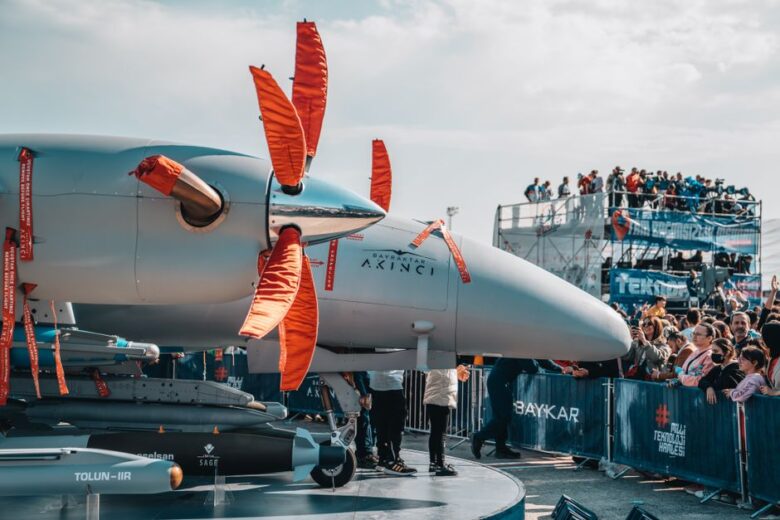
Military operations have increasingly integrated advanced technology to enhance efficiency, speed, and safety on the battlefield. Among these innovations, the military heavy lift drone stands out as a pivotal asset in modern warfare and logistics. These unmanned aerial vehicles (UAVs) are designed to transport substantial payloads, ranging from ammunition and supplies to specialized equipment, directly to troops in challenging environments where traditional vehicles may falter. Their ability to maneuver swiftly over difficult terrain while minimizing human risk marks a significant advancement in military logistics and operational flexibility.
Key Features of Military Heavy Lift Drone Systems
Heavy lift drones used by the military exhibit several critical features that distinguish them from conventional drones or commercial models. These capabilities ensure that they meet the demanding requirements of battlefield support and tactical operations:
- High Payload Capacity: Unlike standard reconnaissance or surveillance drones, military heavy lift drones can carry payloads weighing hundreds of kilograms, enabling the transport of essential equipment and supplies.
- Extended Flight Endurance: These drones feature powerful propulsion systems and efficient energy management, allowing for longer mission durations and greater operational ranges.
- Robust Design: Built to withstand harsh environmental conditions, including extreme weather and rough handling during takeoff and landing in austere locations.
- Autonomous Navigation and Precision Delivery: Equipped with advanced GPS and sensor arrays, these drones can perform autonomous missions with high accuracy, delivering payloads to precise coordinates.
- Rapid Deployment: Their modular design allows for quick setup and deployment, critical during fast-paced military operations.
Applications Beyond Logistics
While the primary role of military heavy lift drone systems lies in transport and logistics, their versatility extends into other crucial military domains:
- Surveillance and Reconnaissance: Some heavy lift drones are equipped with advanced imaging and sensor packages, enabling them to conduct surveillance drone missions while carrying additional payloads.
- Medical Evacuation and Support: In combat zones, they can be used to evacuate wounded soldiers or deliver medical supplies rapidly where ground vehicles cannot reach.
- Communication Relay: Serving as airborne communication nodes, these drones can extend the range of military communication networks in remote or contested areas.
Integration with Advanced UAV Technologies
The evolution of military heavy lift drone systems is closely tied to advancements in UAV technology. For example, the professional UAV line from Acecore Technologies exemplifies how cutting-edge drone designs are pushing the boundaries of payload capacity, flight endurance, and operational flexibility. By incorporating industry-leading materials, autonomous flight control systems, and modular payload options, platforms like these support a wide range of military needs from logistics to surveillance without compromising performance or reliability.
Comparing Military Heavy Lift Drones to Other Drone Categories
Understanding the distinctions between military heavy lift drones and other types of drones is essential for appreciating their specialized role:
- UAV vs Drone: While the terms UAV (Unmanned Aerial Vehicle) and drone are often used interchangeably, UAVs typically refer to more sophisticated systems with autonomous capabilities, which many military heavy lift drones possess.
- Commercial Drones: These are usually designed for lighter payloads and shorter flight times, focusing on applications like aerial photography, agriculture, or delivery services, making them unsuitable for heavy military logistics.
- Drone Inspection and Utility Inspection: These drones specialize in monitoring infrastructure such as power lines or pipelines and are optimized for stability and precision rather than payload capacity.
- Drone Security: Security drones focus on surveillance and perimeter monitoring but generally do not have the heavy lift capabilities required for military supply missions.
Future Trends in Military Heavy Lift Drone Development
As technology advances, military heavy lift drone systems are expected to become even more capable and versatile. Key trends to watch include:
- Hybrid Propulsion Systems: Combining electric and fuel-based engines to maximize endurance and payload efficiency.
- Enhanced Autonomous Capabilities: Incorporating AI-driven navigation and obstacle avoidance to operate seamlessly in contested or GPS-denied environments.
- Swarm Technology: Coordinated drone swarms capable of distributing heavy payloads across multiple platforms for redundancy and increased mission success rates.
- Improved Stealth Features: Reducing radar and infrared signatures to enhance survivability in hostile airspace.
Advancing Operational Effectiveness Through Heavy Lift UAVs
Military heavy lift drone systems are transforming how armed forces approach logistics, reconnaissance, and battlefield support. By combining substantial payload capacity with autonomous flight and precision delivery, these UAVs enhance operational flexibility and reduce risks to personnel. The integration of innovative platforms, such as the professional UAV line from Acecore Technologies, underscores the commitment to leveraging state-of-the-art technology in modern military operations. As these systems continue to evolve, their role in ensuring rapid, reliable, and secure mission support will only grow more indispensable.